


Aeropostale: Teen Clothing
4.8112.00 Reviews
App Specs
- Version
- 2025.AW-0.0.7
- Updated On
- License
- Free
- Downloads
- 100,000+
- Developer
- SPARC Group LLC
- Categories
- Shopping
- Platform
- Android
Screenshots



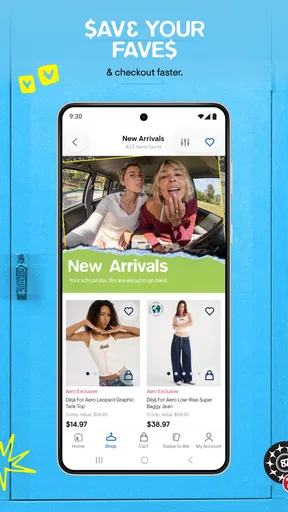
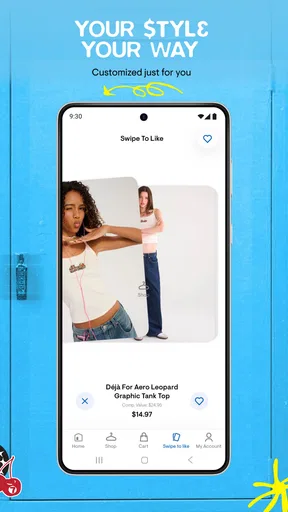
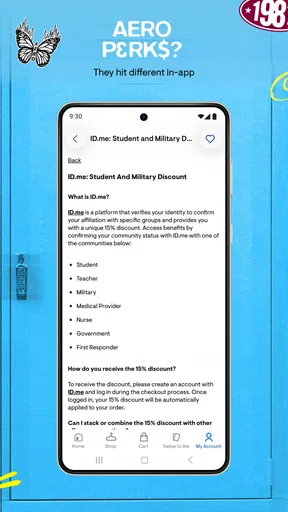


 Analysis by AppCompare
I approached Aeropostale: Teen Clothing as a shopping app for people who already know the Aeropostale style or want an easier way to browse casual clothing aimed at teens. My first impression is that it works best as a focused brand storefront rather than as a complete fashion marketplace. You are not opening it to compare dozens of labels; you are opening it to look through Aeropostale’s own range and decide whether something fits your wardrobe, your budget, and the occasion.
That narrow purpose is also its main appeal. The app is free, carries an Everyone content rating, and comes from SPARC Group LLC. It is available for devices running Android 8.0 or later, so it is not limited to recent phones. The current version is 2025.AW-0.0.7, following its release on October 10, 2024. Those details matter because this is still a relatively young shopping experience, and I would judge it as a developing brand app rather than as a long-established all-purpose retail platform.
How the app feels today and who will get the most from it
The strongest reason to use this app is convenience. If I am looking for casual teen clothing from Aeropostale, I would rather start in a dedicated catalog than search through a general shopping service where the brand’s items sit beside unrelated sellers, inconsistent photographs, and very different sizing information. A dedicated app gives the brand a clearer setting and makes browsing feel more intentional.
Its audience is easy to understand. It suits teens building everyday outfits, parents helping with a school wardrobe, and shoppers who already recognize Aeropostale’s relaxed, accessible look. It can also work for someone buying basics for a younger family member, especially when the goal is not formalwear but comfortable pieces for ordinary days, weekends, travel, or casual social plans.
I would not choose it as my first stop for luxury labels, specialist sports equipment, office clothing, or a broad comparison of competing brands. The app’s value comes from focus. If I want to see how Aeropostale compares with several other retailers at once, a general shopping app or a browser search will usually be more efficient. If I already want Aeropostale, however, that same focus removes a lot of noise.
The store presence suggests a healthy level of interest: it holds a 4.8 average from around 1.9 thousand ratings and has passed 100 thousand installs. I treat that as encouraging rather than conclusive. A strong average can indicate that the core shopping journey satisfies many users, but clothing apps still need to be judged by practical details such as finding the right size, checking availability, and completing an order without unnecessary friction.
Browsing is more useful when you shop with an outfit in mind
One habit made my browsing more productive: I stopped treating the catalog like an endless stream of individual products and started planning an outfit or a small clothing need. For example, instead of vaguely looking for “something new,” I would decide that I needed a casual top for school, a layer for cooler evenings, or a simple combination for a weekend trip. That approach makes a brand-focused app feel less overwhelming and helps me notice whether the available selection actually fits my purpose.
Worth Reading Before You Choose

EA SPORTS FC Mobile 26 Is a Bigger Football Game, but It Takes Time

Flipboard Shows What News Apps Must Do Beyond the Feed

Switching to Android Auto Means Rethinking Your Driving Routine

Google Calendar Makes a Crowded Week Easier to Manage

Ludo King Makes the Most of the Minutes Between Plans

Baby Panda World Brings Quick Play to Modern Phones, but Its Game Library Feels Busy
This is particularly useful for parents. A quick shopping session can begin with a practical question—what does the child need for the next few weeks?—rather than an open-ended search through every possible item. I would make a short list before opening the app, then use the catalog to check whether the brand offers suitable choices. The app becomes a decision tool instead of a place to spend time scrolling without a clear result.
Another useful trade-off is that a dedicated brand catalog can make style consistency easier. If you are assembling several casual pieces, shopping in one place may reduce the risk of ending up with items that feel unrelated. The downside is that you may miss a better fit, lower price, or different cut available from another retailer. The app is therefore strongest when brand consistency matters more than maximum choice.
A realistic shopping scenario
Imagine a parent and teenager preparing for a new school term. The teenager wants casual clothes that feel current, while the parent wants a manageable budget and does not want to visit several different stores. I would use the app first to identify a few possible everyday pieces, discuss which ones are genuinely needed, and narrow the list before making any purchase decision.
That workflow is better than handing over a phone and hoping the final basket makes sense. Teen clothing can be influenced by color, fit, and personal style, while the adult may be thinking about repeat wear and how easily each item combines with existing clothes. Browsing together lets both sides contribute. The app does not replace that conversation, but its focused catalog can make the conversation more concrete.
I would also use a “pause before buying” step. After selecting possible items, I would leave the app and check the wardrobe those pieces are meant to join. If there is already a similar top or layer at home, the apparent bargain may not be useful. This is a small but important advantage of treating a shopping app as part of a planning process rather than as an impulse-buying machine.
What has changed, what still needs attention, and what I would watch next
I’d watch the app’s next releases through the practical details that shape a shared shopping session: whether browsing stays straightforward, item information is easy to assess, and the route from choosing clothes to making a decision feels clear. For a household, it also helps to agree in advance who is browsing and who has the final say on spending, rather than treating one shared screen as shared permission. That distinction matters even more when a teen is still learning to shop independently.
The current release and the meaning of a young app
The current release, 2025.AW-0.0.7, shows that the app is being maintained beyond its initial launch. I would not read a version number alone as proof of a major redesign or a particular feature. What it does tell me is that the product is in an early stage of its life, so regular refinement will be important. Shopping apps need steady attention because catalog presentation, stock information, checkout behavior, and device compatibility all affect whether users return.
For an existing user, a newer release can be valuable even when the visible interface looks familiar. Small improvements in loading, navigation, display consistency, or order flow can make repeated shopping less tiring. At the same time, I would update with realistic expectations: a version change does not automatically mean that every personal frustration has disappeared. The useful test is whether the app feels dependable during the specific tasks you perform most often.
The app’s age rating of Everyone is also appropriate for a general clothing storefront. That makes it easier for families to consider, although an age label should not be confused with a promise that every shopping decision will suit every child. Parents may still want to guide purchases, particularly when discussing budgets, fit, and whether an item will be worn often enough to justify the cost.
Where it compares well with ordinary alternatives
Compared with visiting a physical store, the app offers a quieter way to begin. I can browse when it suits me, revisit an item, and think about an outfit without walking through racks. That is helpful when the nearest store is inconvenient or when a teenager feels more comfortable exploring styles privately before asking for help.
Compared with a general marketplace, the dedicated experience should be easier to keep on-topic. I am less likely to drift into unrelated products, and the brand identity is clearer. The compromise is that I lose the marketplace’s breadth. A general service is better when I need to compare several brands, read a wide range of seller experiences, or solve a clothing problem with no particular label in mind.
Compared with using a mobile browser, a dedicated app can feel more natural for repeat visits. It has a clear place on the phone and keeps the shopping task separate from ordinary web browsing. Yet I would still keep the browser alternative in mind for one-off shoppers. Installing an app is not automatically worthwhile if you only want to inspect a single product or are still deciding whether Aeropostale is the right brand for you.
Practical friction that should shape your expectations
The biggest limitation is the same thing that makes the app appealing: it is centered on one retailer. If a particular size, color, or style is unavailable, there is no broad in-app alternative from another label waiting nearby. You may need to change your plan, wait, or leave the app and continue elsewhere. For shoppers who value choice above brand loyalty, that can become frustrating quickly.
Clothing also creates a special kind of uncertainty. A photograph can suggest a style, but it cannot fully settle how a garment will feel, how it will sit on a particular body, or whether the fabric suits the intended use. I would never rely on a quick visual impression alone. Before committing, I would pay close attention to the available item information and compare the proposed size with clothing that already fits well.
Another point is budget discipline. “Good value” is personal, and a free shopping app does not make the clothing itself free. I would set a spending limit before browsing, especially when shopping with a teenager. A simple shortlist helps prevent the common problem of adding several attractive items that do not form a practical wardrobe.
Users who need highly specialized accessibility tools, detailed cross-store price research, or a very broad secondhand selection may be better served by a different shopping method. That is not a criticism of the app’s basic purpose; it is a reminder that a focused brand storefront cannot cover every shopping style.
Three ways I would use it more intelligently
- Build around existing clothes: I would photograph or list a few pieces already in the wardrobe before browsing, then look for additions that create several combinations rather than one isolated outfit.
- Separate discovery from commitment: I would save a short list mentally or through the app’s available shopping flow, take a break, and return only after checking whether each item solves a real need.
- Use the brand app for selection, not universal comparison: I would explore Aeropostale’s options here, then use a broader retailer or browser when the decision depends on competing brands, alternative fits, or a wider price search.
These habits reveal a less obvious trade-off. A focused catalog can improve decisions by reducing distractions, but it can also encourage tunnel vision. The best result comes from using the app for what it does well—organizing a brand-specific search—while recognizing when the next step belongs somewhere else.
What I would like to see as the app evolves
Because the app is still relatively new, I would watch how consistently it handles the details that matter after the initial browsing excitement. Clear product information, dependable stock visibility, straightforward size guidance, and a smooth path from selection to purchase are more important to me than decorative interface changes. Those are the areas that determine whether I would return for the next clothing need.
I would also pay attention to how well the experience serves two different users: the teen who cares about personal style and the parent who needs practical control over spending and suitability. A strong shopping app should let both browse comfortably without making either feel ignored. The best future improvements would support that shared decision-making rather than simply encouraging more items in the basket.
For current users, my advice is to keep the app updated and judge each release by everyday reliability. If browsing becomes faster or the shopping path becomes clearer, that is meaningful progress. If your main need is comparing many labels, do not force this app to do a job it was not designed for. Use it as one part of a wider search instead.
Overall, I see Aeropostale: Teen Clothing as a sensible choice for casual teen fashion shoppers who value a direct route into the Aeropostale range. Its free entry, accessible device requirements, and focused purpose make it easy to try, while its strong user response and growing install base suggest that many people find the experience worthwhile. My recommendation is conditional but positive: use it when you already like the brand or want a streamlined starting point for everyday teen clothing, and switch to broader shopping tools when comparison, specialized fit, or maximum variety matters more than convenience.
Pros
- Frequent promotions make branded clothing more affordable.
- Mobile-friendly browsing makes it easy to shop on smaller screens.
- Seasonal collections are refreshed regularly for trend-conscious shoppers.
- Gift cards provide a convenient option for birthdays and special occasions.
- Product categories are organized clearly for quick discovery.
Cons
- Some popular sizes and colors sell out quickly.
- Final sale items may have limited return options.
- Shipping costs can reduce the value of smaller orders.
- Sizing may vary between different clothing styles.
- The app may promote frequent purchases through flash sales and alerts.
FAQs for Aeropostale: Teen Clothing
What is Aeropostale: Teen Clothing, and what can I find in the app?
Aeropostale: Teen Clothing is the official shopping app for browsing and purchasing Aeropostale fashion. It typically includes clothing, accessories, footwear, seasonal collections, denim, graphic tops, and basics for teens and young adults. Product pages provide photos, descriptions, available sizes, colors, prices, and promotional details, making it easier to compare items before placing an order.
Is the Aeropostale app free to download and use?
Yes, the Aeropostale shopping app is generally free to download and use on compatible Android or iOS devices. You can browse products, search by category, save items, and review promotions without paying for access to the app itself. However, purchases, shipping charges, taxes, and any optional services are separate costs shown during checkout.
Can I place orders and make payments through the Aeropostale app?
The app is designed to let customers purchase Aeropostale products directly from their mobile device. After selecting an item and choosing the correct size and color, you can add it to your bag, enter delivery information, and continue to checkout. Available payment methods, shipping options, taxes, and final order costs may vary by location.
Does Aeropostale offer discounts, rewards, or special promotions in the app?
Aeropostale frequently promotes sales, limited-time discounts, clearance offers, and other deals through its online store and mobile experience. Depending on current availability, users may also find rewards or member-related benefits connected to an Aeropostale account. Always read the terms, expiration dates, exclusions, and minimum-purchase requirements before relying on a promotion.
What should I check before downloading and ordering from Aeropostale: Teen Clothing?
Before downloading, check whether the app is officially published by Aeropostale and whether it is compatible with your Android or iOS version. You should also review its privacy permissions and regional availability. Before ordering, confirm the size chart, return policy, delivery estimates, shipping fees, stock status, and total checkout price, since these details can affect your purchase experience.


